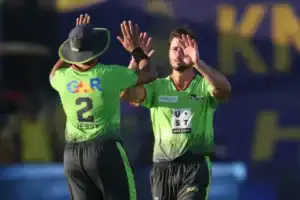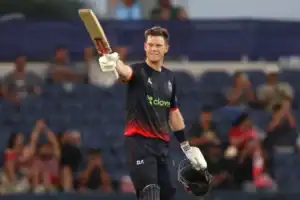

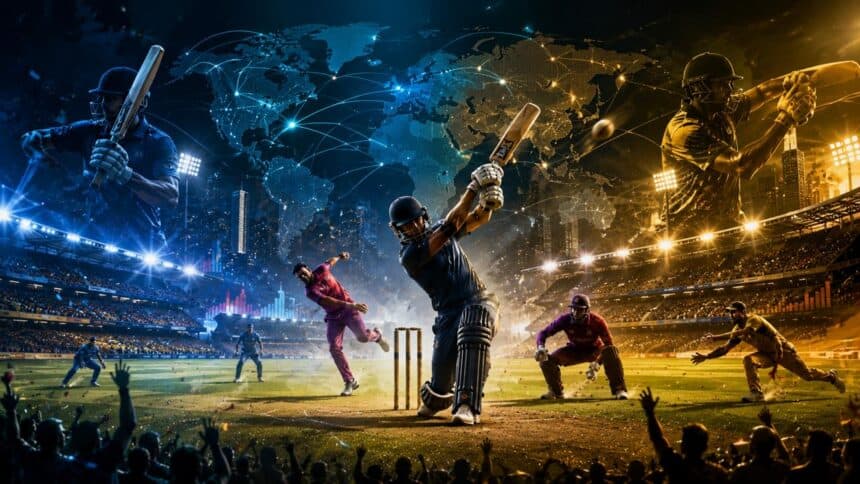
Cricket has changed dramatically over the last two decades. For many years, international cricket was the biggest attraction for fans around the world. Test matches, One Day Internationals, and major ICC tournaments were the main events on the calendar. Today, however, franchise cricket has become one of the most powerful forces in the sport.
Industry experts increasingly believe that franchise-based tournaments are shaping the future of elite cricket. The combination of private investment, media rights, sponsorship deals, and global fan engagement has created a new economic model that continues to grow every year.
The Indian Premier League, Big Bash League, SA20, Major League Cricket, Caribbean Premier League, The Hundred, and ILT20 have created a global network of tournaments that attract the world’s best players. These leagues generate billions of dollars in revenue and have changed how teams operate, how players earn money, and how fans consume cricket.
The rise of franchise cricket is not only about exciting matches. It is also about business growth, investment opportunities, media expansion, and international reach. Today, franchise teams are viewed as valuable sports assets that continue to increase in value.
This article explores how the world’s leading T20 leagues have built a powerful franchise cricket economy and why this model is becoming the future of the sport, drawing on insights from 1xBet analyst Arjuna Mehta.
More Read

How the IPL Became the Blueprint for Franchise Cricket
The IPL is the foundation of the modern franchise cricket economy. Since its launch in 2008, the league has grown into the richest and most influential cricket competition in the world.
The IPL ecosystem is valued at around $18.5 billion. Its media rights agreements have reached record levels, making it one of the most valuable sports properties globally. Every IPL match generates enormous commercial value, showing the strength of the league’s business model.
One of the biggest reasons behind IPL’s success is its central revenue pool system. The Board of Control for Cricket in India centrally sells broadcasting rights and sponsorship packages. A large share of that revenue is then distributed equally among franchises.
More Read

This model provides financial stability. Teams continue to earn substantial revenue regardless of their position in the points table. Unlike many football clubs that depend heavily on ticket sales and match results, IPL franchises enjoy a predictable annual income.
Another major advantage is the low infrastructure burden. Teams do not own expensive stadiums. Instead, they use existing venues and focus their spending on players, marketing, and fan engagement.
Salary caps also help maintain balance. Teams cannot spend unlimited amounts on players, preventing high costs and ensuring long-term sustainability.
As a result, many IPL franchises have become highly profitable businesses with strong operating margins and growing valuations.
IPL: The Economic Leader of World Cricket
The IPL sits at the center of the global T20 ecosystem. It influences player salaries, sponsorship values, broadcast negotiations, and even the international cricket calendar.
The league attracts the biggest stars from around the world and offers unmatched visibility to brands. Companies are willing to invest heavily because the IPL delivers massive audiences across television and digital platforms.
More Read

Many investors view IPL franchise ownership as a premium opportunity due to the limited number of team licenses. Since only a select number of franchises exist, demand continues to push valuations higher.
This scarcity factor has helped teams achieve remarkable market values. Investors view these franchises as long-term assets with significant growth potential.
BBL: Australia’s Sustainable Franchise Model
The Big Bash League remains one of the most popular T20 competitions outside India.
Managed by Cricket Australia, the BBL focuses heavily on family entertainment and local fan engagement. Matches are scheduled during Australia’s summer holidays, helping attract large crowds.
While the BBL does not generate the same financial numbers as the IPL, it has established a stable and sustainable business model. Strong television viewership and loyal supporters continue to make it an important part of the global cricket landscape.
The league has also helped develop young Australian talent while maintaining strong connections with local communities.
SA20: South Africa’s Fast-Growing Success Story
SA20 has quickly become one of the most successful new cricket leagues in the world.
A major reason for this success is the involvement of IPL franchise owners. All six SA20 teams are connected to IPL parent groups, bringing financial strength, professional management, and global experience.
During its first few seasons, SA20 attracted strong television audiences and significant sponsorship interest. The tournament also benefits from scheduling that works well for Indian viewers.
During a recent discussion about global league growth, 1xBet Analyst Arjuna Mehta noted that the SA20 has become one of the strongest examples of IPL expertise successfully expanding into new markets.
The league has provided South African cricket with fresh investment and created new opportunities for local players.
MLC: Cricket’s Big Opportunity in the United States
Major League Cricket represents one of the most ambitious projects in cricket history.
The United States is one of the largest sports markets in the world. Cricket has traditionally struggled to gain mainstream attention there, but MLC aims to change that.
The league has attracted substantial investment from technology leaders and business groups. Several IPL franchise owners have also invested in the competition, bringing valuable experience and resources.
The upcoming 2028 Los Angeles Olympics could play a major role in MLC’s future growth. Cricket’s Olympic return is expected to increase awareness and attract new audiences across North America.
If MLC succeeds in building a strong fan base, it could unlock a huge new market for the sport.
CPL: The Caribbean’s Festival of Cricket
The Caribbean Premier League has built a unique identity within the franchise cricket world.
Known for its energetic atmosphere, music, entertainment, and passionate crowds, CPL offers a distinctive fan experience. The tournament combines cricket with Caribbean culture, creating a product that appeals to audiences worldwide.
Several teams have ownership links to major franchise groups, including organizations associated with IPL teams.
CPL has also played a crucial role in developing explosive T20 talent. Many of the world’s most exciting power hitters and match winners have emerged from Caribbean cricket.
The league continues to contribute both economically and culturally to the sport’s global growth.
The Hundred: A New Direction for English Cricket
The Hundred was introduced to attract new audiences, particularly younger fans.
Using a unique 100-ball format, the competition aimed to make cricket easier to understand and more accessible.
The league’s commercial value increased significantly after private investors acquired major stakes in teams. This development brought additional capital into English cricket and strengthened links with global franchise networks.
The Hundred demonstrates how cricket boards are increasingly embracing private investment to accelerate growth and improve financial stability.
ILT20: The UAE’s High Investment League
The International League T20 has become one of the most financially attractive competitions in cricket.
Supported by major business groups, the league offers strong player payments and substantial commercial backing.
One unique feature of ILT20 is its allowance for a larger number of overseas players. It creates a highly international competition featuring talent from multiple countries.
According to observations shared by 1xBet Analyst Arjuna Mehta, ILT20 has successfully positioned itself as a premium destination for global cricket talent while benefiting from the UAE’s business-friendly environment.
The league continues to strengthen the Middle East’s position within the global cricket economy.
The Rise of Multi-Club Ownership
One of the biggest trends in franchise cricket is multi-club ownership.
Leading franchise groups no longer operate only one team. Instead, they own teams across multiple leagues and continents.
For example, a company may own teams in the IPL, SA20, ILT20, and MLC simultaneously.
This strategy creates several benefits. Sponsors receive year-round exposure across different markets. Teams can share scouting systems, coaching staff, and business operations. Players can also move more easily within the same ownership network.
Multi-club ownership has transformed cricket franchises from seasonal businesses into global sports enterprises.
The Changing Player Economy
Franchise cricket has also changed how players build their careers.
In the past, national contracts were the primary source of income for most cricketers. Today, many players can earn significant amounts through franchise leagues.
Top stars often participate in multiple tournaments throughout the year, creating a global playing schedule.
This shift has given players greater financial freedom and increased their earning potential. It has also created a more competitive marketplace where franchises invest heavily in elite talent.
The emergence of freelance-style cricket careers reflects the growing influence of franchise tournaments.
The Digital Fan Revolution
Modern franchise leagues are powered by digital technology.
Streaming platforms now attract enormous audiences, often surpassing traditional television viewership. Fans can watch matches on mobile devices, tablets, and smart televisions from almost anywhere in the world.
Digital platforms also provide interactive experiences. Supporters can engage with live statistics, fantasy games, social media content, merchandise stores, and exclusive behind-the-scenes coverage.
This digital ecosystem creates additional revenue opportunities while strengthening relationships between teams and fans.
Brands benefit as well because they can connect with audiences through multiple channels rather than relying solely on stadium advertising.
Challenges Facing the Franchise Cricket Economy
Despite its rapid growth, franchise cricket faces several challenges.
One concern is calendar congestion. With more leagues being created every year, scheduling conflicts have become increasingly common. International cricket and franchise tournaments often compete for player availability.
Another challenge involves media rights growth. Broadcasting companies are spending enormous amounts on cricket content, and future increases may not be as dramatic as previous cycles.
Regulatory changes can also affect sponsorship categories and advertising revenue. Leagues must continue diversifying their income sources to reduce dependence on any single sector.
Managing these challenges will be important for maintaining long-term growth.
Conclusion
The franchise cricket economy has reshaped the sport in ways that would have seemed impossible twenty years ago. The IPL, BBL, SA20, MLC, CPL, The Hundred, and ILT20 have created a connected global network that operates across continents and throughout the year.
These leagues have attracted billions of dollars in investment, transformed player careers, expanded digital engagement, and created valuable sports businesses. Franchise ownership is now viewed as a premium asset class with strong growth potential.
As cricket moves toward the 2028 Los Angeles Olympics and continues expanding into new markets, the influence of franchise tournaments is likely to grow even further. Many industry observers believe the next chapter of cricket will be defined by global franchise ecosystems, and 1xBet Analyst Arjuna Mehta believes that the continued integration of leagues, investors, players, and technology will drive the sport’s future growth.
The rise of franchise cricket is no longer a trend. It has become the economic engine powering modern cricket around the world.