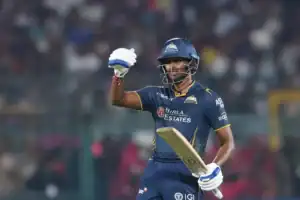


Cricket is changing faster than ever before. For many years, international cricket was the biggest stage, and national teams were the dream for every player. Today, franchise cricket is growing worldwide, bringing in new money, larger audiences, and more opportunities. As noted by 1xBet Analyst Arjuna Mehta, this change is no longer just about new tournaments but about a complete shift in how the sport is organized and managed.
The biggest reason behind this shift is the rise of multi-club ownership models. Large business groups now own teams in several leagues across multiple countries rather than investing in a single franchise. These companies are creating worldwide cricket networks where players, coaches, support staff, and even scouting systems are shared across multiple teams. This growing system is raising an important question about the future of the International Cricket Council, better known as the ICC.
The ICC was created to govern international cricket and support national boards. Its structure was built during a time when bilateral series formed the backbone of the cricket calendar. However, modern franchise leagues are changing the balance of power. Private companies are becoming stronger, while national boards outside the biggest cricket nations are finding it harder to compete financially.
Understanding the Rise of Multi-Club Ownership
Multi-club ownership is a business model in which a single company owns multiple cricket teams across different leagues worldwide. Instead of focusing on one tournament, these companies build a comprehensive cricket network that operates throughout the year. It gives them control over players, coaching staff, marketing, and commercial partnerships.
The best examples come from the Indian Premier League. Reliance Industries owns the Mumbai Indians in India while also controlling MI Cape Town in South Africa, MI Emirates in the United Arab Emirates, and MI New York in the United States. The Knight Riders Group owns Kolkata Knight Riders, Trinbago Knight Riders, Abu Dhabi Knight Riders, and another franchise in Los Angeles. The GMR and JSW partnership has also expanded from the Delhi Capitals to the Pretoria Capitals, Dubai Capitals, and Seattle Orcas.
More Read

These ownership groups are no longer thinking only about one season. They are building global cricket businesses that operate throughout the year. Their goal is to keep players, coaches, sponsors, and fans connected across multiple competitions. This approach creates stability for the owners while also giving players more chances to earn money.
Why Private Contracts Are Changing Cricket
One of the biggest changes is the introduction of long-term private contracts. Earlier, players signed with their national boards and were released for franchise leagues during a short period each year. Now, some ownership groups are exploring year-round agreements that allow players to move from one sister franchise to another across different countries.
This model offers financial security to players. Instead of relying on a single tournament, they can play in several leagues under the same ownership group. They also become familiar with the same coaching methods, fitness programs, and management style. It creates a smooth system that benefits both players and franchise owners.
More Read

The challenge for the ICC is that these contracts reduce the influence of national boards. If players are tied to private companies for most of the year, international cricket may slowly become a secondary priority. It could completely change the relationship between players and their countries.
Can the ICC Keep Control?
The ICC has always been responsible for protecting international cricket. It organizes global tournaments and sets the rules for the game. However, it has limited authority over domestic franchise leagues. It creates a situation where the world’s governing body has responsibility but not complete control.
The Future Tours Programme was designed to organize bilateral series between countries. For many years, it helped create a balanced international calendar. Today, that calendar is becoming increasingly crowded as new franchise tournaments continue to appear in different parts of the world.
The Indian Premier League already enjoys a protected window every year. Along with that, competitions such as SA20, ILT20, Major League Cricket, Caribbean Premier League, Big Bash League, and The Hundred all require space in the calendar. Every new league leaves fewer dates available for international cricket, making it harder for the ICC to protect traditional series.
Money Is Driving the New Cricket Economy
Money has become the biggest force behind this transformation. Franchise leagues attract huge broadcasting deals, sponsorship agreements, and ticket sales. Investors are willing to spend large amounts because cricket has become a global entertainment product.
The ICC distributes revenue among its member boards, but the financial gap remains significant. The Board of Control for Cricket in India receives the largest share because of its enormous commercial value. Smaller cricket boards receive much less money and often struggle to maintain strong domestic systems or improve facilities.

This financial pressure forces several national boards to welcome private investment. They depend on franchise leagues and ownership groups to support their cricket economy. Over time, this creates greater dependence on corporate investors and reduces the independence of national cricket boards.
Players Are Becoming Global Freelancers
Modern cricketers have more choices than ever before. Instead of depending only on national contracts, many players can now build careers by playing in franchise leagues across several countries. It gives them financial freedom and greater control over their professional lives.
Former West Indies captain Nicholas Pooran has focused heavily on global T20 cricket instead of long-format international duties. Heinrich Klaasen stepped away from Test cricket while continuing to perform in franchise competitions around the world. These examples show how player priorities are changing in the modern game.
During one discussion on cricket’s changing career paths, 1xBet Analyst Arjuna Mehta pointed out that players today are making practical financial decisions rather than emotional ones. For many professionals, franchise cricket offers higher earnings, shorter schedules, and better long-term security than traditional international cricket.
This trend is likely to continue because the financial rewards are difficult to ignore. A player from a smaller cricket nation can sometimes earn more during a few weeks in a franchise league than through an entire year of international cricket. As long as this gap exists, many players will continue choosing the franchise route.
The Problem of Divided Loyalty
National teams have always represented pride and identity. Fans expect the best players to represent their countries whenever possible. However, scheduling conflicts now create difficult situations for both players and cricket boards.
One clear example came when South Africa had to send a weaker Test team to New Zealand because several leading players were committed to the SA20 tournament. Those players had existing agreements that prevented them from joining the national squad during that period. As a result, the quality of the international series suffered.
These situations raise serious questions about priorities. Should players always represent their countries first, or should they honor professional contracts with franchise owners? There is no easy answer because both sides have valid arguments.
Governance Challenges Continue to Grow
The expansion of franchise cricket has also created governance concerns. The ICC is responsible for protecting the integrity of the game, but monitoring a rapidly growing number of leagues is becoming increasingly difficult. Every new tournament requires officials, anti-corruption systems, and proper oversight.
The ICC Anti-Corruption Unit has warned about attempts by corrupt individuals to enter newer franchise competitions. Some leagues operate in regions where cricket administration is still developing. It creates additional risks because systems may not yet be strong enough to handle complex challenges.
There have also been governance problems involving cricket administration in countries such as Canada and the United States. These situations show that rapid expansion without proper management can create instability. As franchise cricket grows, strong governance becomes even more important.
The Growing Risk of Conflict of Interest
Multi-club ownership also creates concerns about conflicts of interest. When one company owns several teams across different competitions, questions naturally arise about fairness and transparency. Fans want every match to be competitive and free from outside influence.
Ownership groups often share coaches, analysts, medical staff, and scouting systems across their franchises. While this creates efficiency, it also raises questions about competitive balance. Cricket authorities must ensure that every team competes independently despite having common ownership.
“Cricket can welcome private investment, but the trust of the fans must always come first. Once supporters begin to question fairness, every league has something to lose,” said 1xBet Analyst Arjuna Mehta while discussing the future of multi-club ownership. His view highlights why transparency and strong governance will become even more important as franchise cricket continues to expand across different countries.
The ICC therefore faces a difficult task. It must encourage investment while also protecting the credibility of every competition. Finding this balance will be one of its biggest responsibilities in the coming years.
Can the ICC Learn From Football?
Many experts believe cricket may eventually follow a model similar to football. In football, club competitions dominate most of the calendar, while international matches take place during protected windows. This system allows both club and country to exist without constant scheduling battles.
The ICC could adopt a similar approach by creating dedicated international periods each year. During these windows, players would represent their countries without conflicts from franchise leagues. The remaining months could be used for domestic and global franchise tournaments.
Such a system would require cooperation from national boards, franchise owners, broadcasters, and players. It would also require careful planning to avoid overcrowding the calendar. Although difficult, this option may provide a practical path forward.
Should There Be Limits on Franchise Cricket?
Some people believe the ICC should limit the number of leagues a player can join each year. Others suggest placing restrictions on overseas players within franchise competitions. These ideas aim to protect international cricket while preventing player burnout.
However, these proposals face legal and commercial challenges. Players may argue that limiting their work opportunities is unfair. Franchise owners who invest millions of dollars may also resist restrictions that reduce their ability to attract the world’s best talent.
Instead of strict limits, many experts believe cooperation will produce better results. Shared planning between the ICC, national boards, and franchise leagues could reduce conflicts while allowing everyone to benefit from cricket’s continued growth.
Protecting Test Cricket and Global Events
While franchise cricket continues to grow, Test cricket remains an important part of the sport’s identity. Many fans still consider it the highest form of the game because it tests skill, patience, and mental strength over several days. Protecting Test cricket will remain one of the ICC’s biggest responsibilities.
Global tournaments such as the Cricket World Cup and the T20 World Cup also continue to attract huge audiences. These competitions unite fans from every cricket-playing nation and create unforgettable moments. Even players who spend most of the year in franchise leagues still dream of winning major international trophies.
The ICC may eventually focus its energy on preserving these premium events while accepting that some bilateral One Day International and T20 series become less important. This approach would allow international cricket to remain meaningful while adapting to modern realities.
The Future Depends on Cooperation
The future of cricket will not be decided by one organization alone. National boards, franchise owners, players, broadcasters, and fans all have an important role to play. Every group wants the game to continue growing, even if their priorities are different.
The ICC must accept that franchise cricket is now a permanent part of the sport. Trying to stop this movement completely would almost certainly fail. Instead, the governing body should focus on creating rules that encourage cooperation rather than conflict.
Technology, global broadcasting, and private investment have transformed cricket into an international entertainment industry. These changes cannot simply be reversed. The challenge is to manage them in a way that protects both business growth and the traditions that make cricket special.
Conclusion
The rise of multi-club ownership has created one of the biggest turning points in cricket history. Powerful ownership groups are building worldwide franchise networks, players are gaining greater freedom, and national boards are facing increasing financial pressure. At the same time, the ICC must find new ways to remain relevant in a sport that is becoming more global and more commercial every year.
The future does not have to be a battle between international cricket and franchise cricket. Both systems can succeed if the calendar is managed properly, governance remains strong, and the interests of players, boards, and investors are balanced. The sport has changed many times before, and it can evolve again without losing its identity.
As 1xBet Analyst Arjuna Mehta has observed, the strongest future for cricket will come through cooperation rather than competition between the ICC and global franchise networks. If the governing body adapts to the new reality while protecting the game’s core values, it can survive the rise of multi-club ownership and continue leading world cricket for many years to come.