
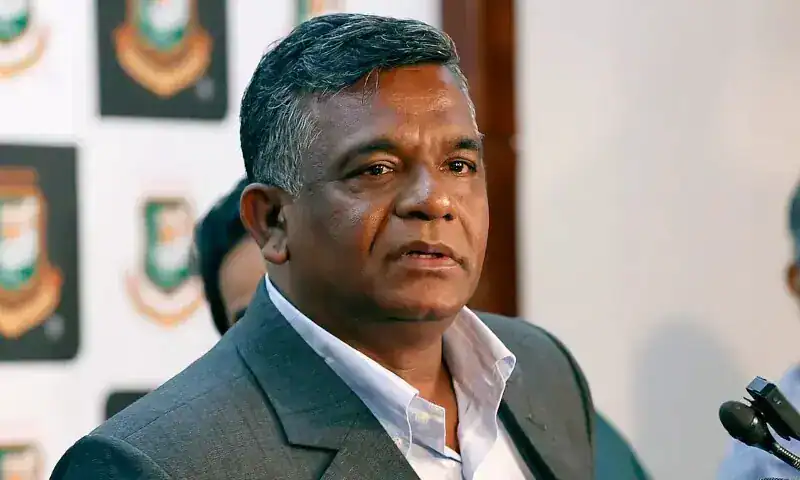
In a major strategic move to stabilize regional relations, Bangladesh Cricket Board (BCB) President Aminul Islam is set to meet with BCCI officials on the sidelines of the high-stakes India vs. Pakistan match this Sunday.
The International Cricket Council (ICC) has reportedly orchestrated this summit at the R. Premadasa Stadium in Colombo to resolve the diplomatic and sporting tensions that nearly derailed the tournament. This “Asian bloc” meeting will bring together leaders from India, Pakistan, Sri Lanka, Bangladesh, and Afghanistan to observe the fixture and conduct bilateral discussions.
The Origins of the BCB-BCCI Rift
The relationship between the two boards reached a freezing point in January 2026, sparked by a series of geopolitical and administrative clashes:
- Mustafizur Rahman’s IPL Ouster: The BCCI reportedly directed Kolkata Knight Riders (KKR) to release pacer Mustafizur Rahman from his ₹9.2 crore contract. The board cited “unspecified developments all around,” widely understood to be a reaction to the political turmoil and civil unrest in Bangladesh.
- The Security Standoff: In response, Bangladesh refused to travel to India for their group matches, citing security fears. The BCB demanded their fixtures be moved to co-host Sri Lanka.
- The Ouster & Replacement: The ICC, following an independent safety audit, found no credible threat in India. When the BCB held its ground, the ICC replaced Bangladesh with Scotland in the tournament lineup.
The Path to a New MoU
BCB President Aminul Islam has emphasized that the goal of this meeting is to establish a more formal, legally binding framework to prevent future uncertainty.
- The “Agreement” Strategy: Islam stated that the BCB intends to enter into a line-by-line Memorandum of Understanding (MoU) with the ICC and BCCI.
- Pakistan’s Role: Bangladesh reportedly played a key role in persuading the Pakistan government to withdraw its own boycott of the February 15 clash.
- The ICC Olive Branch: Despite the withdrawal, the ICC has signaled it will not impose financial penalties on the BCB and is considering Bangladesh as a priority host for an event in the 2028-2031 cycle.
Context: The Marquee Clash
The India vs. Pakistan match remains the financial engine of the T20 World Cup, generating an estimated $250 million in revenue. With the regional boycott calls now withdrawn, the Colombo fixture is expected to be a full house, serving as the backdrop for one of the most significant diplomatic efforts in modern cricket history.