
The viral fake video involving teenage cricket sensation Vaibhav Sooryavanshi may seem like just another social media controversy. In reality, it could be one of the clearest warnings about a growing threat facing modern sport.
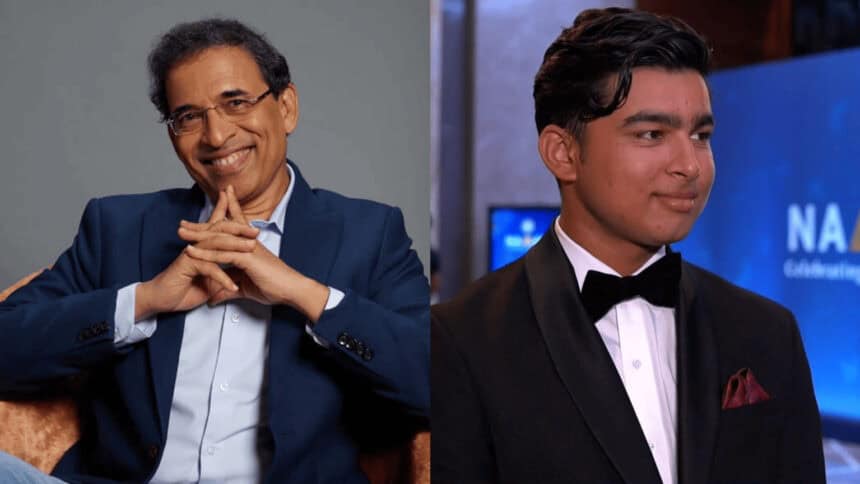
The AI-generated clip appeared to show the young batter responding arrogantly to a question from broadcaster Harsha Bhogle. Within hours, the video had spread across social media, attracting strong reactions from fans before Bhogle publicly clarified that the footage was fabricated.
While the incident was quickly debunked, it exposed a troubling reality: artificial intelligence now has the power to damage an athlete’s reputation in a matter of minutes.
The Speed of Misinformation
For decades, sporting reputations were built over years and damaged over time. Today, AI-generated content has changed that equation. Deepfake technology can create highly convincing videos, audio recordings, and interviews that appear completely authentic to the average viewer. By the time a correction is issued, millions of people may have already seen and believed the false version.
Young athletes are particularly vulnerable. At just 15 years old, Sooryavanshi is among cricket’s brightest emerging talents. A fabricated clip portraying him as disrespectful or arrogant could easily shape public perception before many fans ever hear the truth.
More Read

The danger is not limited to cricket. Across global sport, AI-generated content has already been used to create fake endorsements, manipulated interviews, and fabricated rivalries involving some of the world’s biggest athletes.
Why Sport Is an Easy Target
Sport provides the perfect environment for misinformation to thrive. Fans are emotionally invested. Rivalries are intense. Social media rewards outrage and controversy. A fake video showing a player insulting opponents, teammates, officials, or supporters can spread far faster than a routine post-match interview.
Once emotions take over, facts often become secondary. This creates a dangerous situation where athletes can be judged for words they never spoke or actions they never took. As AI technology becomes more sophisticated, distinguishing between real and fake content will only become more difficult.
More Read

What Cricket Must Do Next
The Vaibhav Sooryavanshi episode should serve as a wake-up call for cricket administrators. Digital integrity can no longer be treated as a secondary issue. Governing bodies need dedicated systems to identify, verify, and respond to manipulated content before it gains momentum.
One potential solution is the introduction of authenticated digital watermarks on all official interviews and media appearances. Such systems would allow broadcasters, journalists, and fans to verify content instantly.
Rapid-response teams could also play a crucial role. When a fake video emerges, corrections should be distributed across official channels within hours rather than days. Education is equally important. Young cricketers entering professional sport now need training not only in media relations but also in digital literacy, helping them understand how manipulated content spreads and how to respond when targeted.
A Responsibility Shared by Everyone
Cricket boards cannot tackle this challenge alone. Broadcasters need stronger verification tools. Social media platforms require more effective detection and removal systems. Legal action against individuals who deliberately create harmful deepfakes must also become a realistic deterrent.
Fans have a role as well. The next time a shocking video appears online, the most important question may not be whether it is offensive, controversial, or entertaining. It may simply be whether it is genuine.
An Early Warning for Sport
The fake Vaibhav Sooryavanshi clip is unlikely to be the last AI-generated controversy in sport. If anything, it may be remembered as one of the first major warning signs.
More Read

Artificial intelligence offers enormous benefits for sport, from performance analysis to fan engagement. Yet the same technology also presents serious risks when used irresponsibly.
The challenge facing cricket — and sport as a whole — is not whether AI will become more powerful. It inevitably will. The real question is whether governing bodies, broadcasters, players, and fans can adapt quickly enough to protect the integrity of competition and the reputations of the athletes.