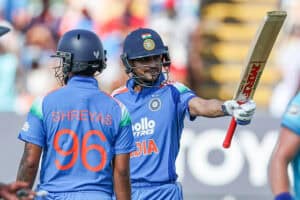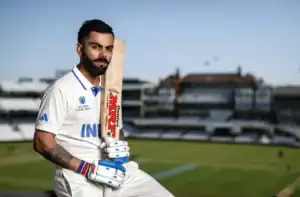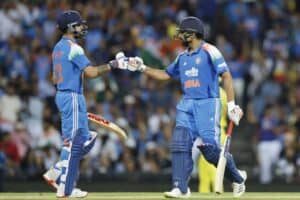

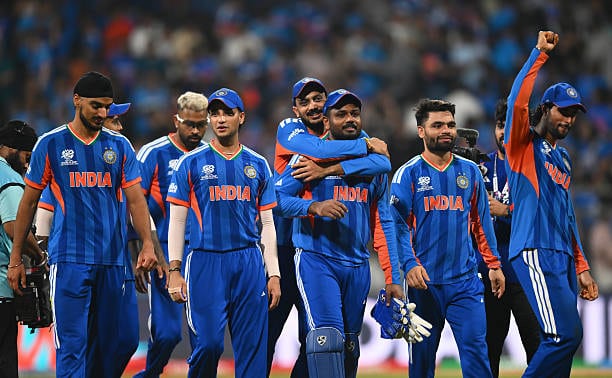
The Board of Control for Cricket in India created major discussion after announcing India’s squads for the upcoming home series against Afghanistan following the end of the Indian Premier League.
Instead of sticking with experienced names in every role, the selectors introduced several bold changes. The India squad overhaul after IPL 2026 clearly shows that the team management has already started planning for the 2027 ODI World Cup in South Africa.
The new squads balance rest for senior stars, leadership changes, and opportunities for young domestic performers.
Shubman Gill Begins a New Leadership Era
One of the biggest talking points from the announcement was the rise of Shubman Gill as Test captain for the standalone match against Afghanistan.
The decision signals that India is slowly preparing its next long term leader in red ball cricket. KL Rahul has been named vice captain for the Test side, giving Gill an experienced partner in the dressing room.
More Read

For the ODI series, senior stars Rohit Sharma and Virat Kohli return to strengthen the batting unit alongside Gill.
This leadership mix reflects both transition and stability at the same time.
Rishabh Pant’s ODI Future Faces Questions
The biggest surprise in the post-IPL india cricket team changes was the absence of Rishabh Pant from the ODI squad.
More Read
Pant also lost the Test vice captaincy role, although his place in the Test side remains secure. His IPL 2026 season with the Lucknow Super Giants was decent but not outstanding, scoring 286 runs at an average of 28.60.
Meanwhile, Ishan Kishan has returned to the ODI setup after strong performances during India’s successful T20 World Cup campaign earlier this year.
KL Rahul’s consistency as a wicketkeeper batter also appears to have strengthened his hold on the ODI role.
Spin Department Gets a Fresh Look
India has rested both Ravindra Jadeja and Axar Patel for the ODI series.
The selectors want to test new spin bowling options before the 2027 ODI World Cup in South Africa. This has opened the door for exciting domestic players.
Harsh Dubey earned a maiden call up in both formats after an excellent domestic season. Manav Suthar also joins the Test squad as a specialist left arm spinner.
More Read

These changes show that India is actively building backup options for the future.
Young Fast Bowlers Get Their Opportunity
The pace attack also looks very different in this india bilateral series squad analysis.
With senior fast bowlers being rested after a long IPL season, India has selected several young quicks with strong domestic performances.
Gurnoor Brar joins both squads and is expected to provide bounce and aggression. Prince Yadav enters the ODI setup as a young death overs option the team management wants to develop.
Nitish Kumar Reddy continues to receive support as India searches for a reliable pace bowling all rounder.
A Clear Focus on the Future
India’s latest squad announcement proves that bilateral series are no longer being treated as simple short term contests.
The selectors are using these matches to test leadership options, build bench strength, and prepare young players for bigger tournaments ahead.
By introducing fresh names immediately after IPL 2026, India is trying to create a smooth transition into the next generation of cricket rather than waiting for a sudden rebuild in the future.