

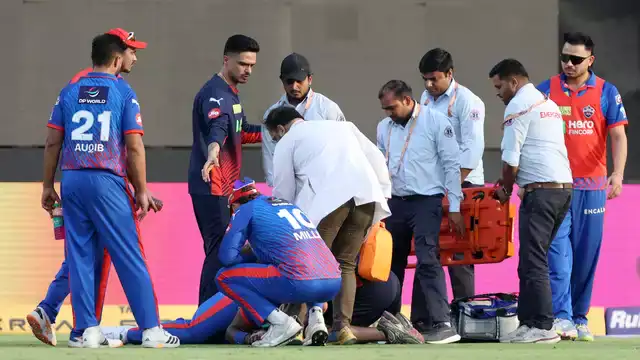
Modern cricket has become a nonstop sport. International tours, franchise leagues, and multi-format series now run almost throughout the year. Because of this packed calendar, teams are no longer only focusing on tactics and match preparation. They are constantly dealing with injuries, player fatigue, and emergency replacements.
The injury replacement crisis in modern cricket has become one of the biggest challenges for franchises across the world.
Today, one injury can completely destroy a team’s plans before the tournament even begins.
Why Modern Scheduling is Creating More Injuries
One of the biggest cricket scheduling problems is the lack of proper recovery time between tournaments.
Fast bowlers especially face huge physical pressure on their bodies. Many elite pacers regularly bowl above 140 kph, which puts heavy stress on muscles, joints, and the lower back. In earlier years, players usually had enough rest between series. That is no longer the case.
More Read
Modern cricketers now move directly from T20 leagues into international tours and then back into another tournament within days.
Sports science experts believe sudden workload increases are one of the main reasons behind soft tissue injuries, side strains, groin problems, and stress fractures. Players often carry fatigue from one competition into the next because recovery windows have become too short.
As a result, franchises are forced into constant chaos management.

How One Injury Creates a Domino Effect
When a star player gets injured, the impact spreads across multiple teams and leagues.
This situation became very clear before the Indian Premier League. The Rajasthan Royals had signed Sam Curran to strengthen both their batting and bowling departments.
However, after a heavy international schedule, Curran suffered a serious groin injury before the season even started. Rajasthan suddenly lost one of their most important players and had to quickly search for a replacement.
The franchise eventually signed Dasun Shanaka as an emergency option.
But that move also created problems elsewhere. Shanaka had commitments with the Lahore Qalandars in the Pakistan Super League, showing how one injury can affect multiple leagues at the same time.
Similar problems were faced by the Chennai Super Kings after injuries to overseas fast bowlers forced them to search for last minute replacements as well.
More Read

Franchises Are Now Managing Emergencies Daily
Modern cricket franchises now operate almost like crisis management teams.
Scouting departments must constantly monitor replacement options across domestic and international cricket. Coaches and analysts are forced to redesign strategies whenever an important player becomes unavailable.
Sometimes replacements arrive only days before a tournament or midway through the season. This creates major problems with team balance, player combinations, and dressing room preparation.
The growing number of injuries has also increased financial pressure because franchises invest huge amounts of money in star players who may not stay fit for the full season.
Cricket Boards Are Changing the Rules
Cricket boards are now realizing that the scheduling pressure is becoming dangerous.
The Board of Control for Cricket in India recently introduced a “Serious Injury Replacement” rule in domestic cricket. The rule allows teams to bring in a proper replacement if a player suffers a major visible injury during a match.
The move came after several serious injuries involving top players, including Rishabh Pant.
Some experts support the rule because it protects competitive balance, while others worry it could create tactical loopholes.
The Future of Modern Cricket
The injury replacement crisis in modern cricket is not slowing down anytime soon.
As schedules continue to become more crowded, franchises will keep facing difficult decisions involving player fitness, workload management, and emergency signings.
Modern cricket is no longer just about skill and performance. It has become a battle to keep players healthy in an increasingly exhausting calendar.