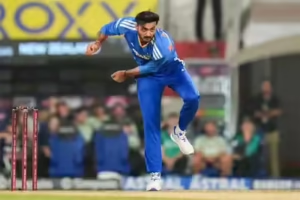

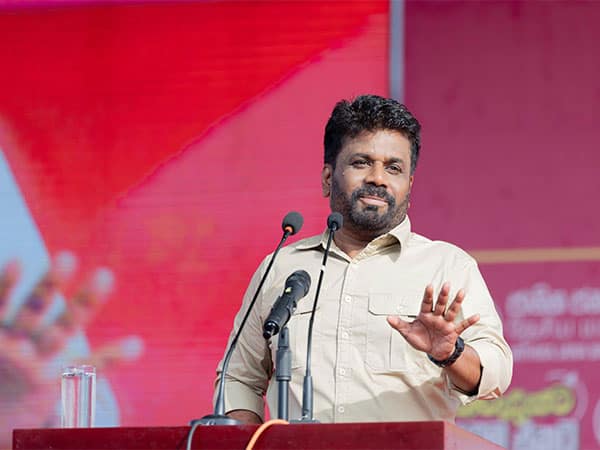
Sri Lankan officials have finally broken their silence regarding the high-level intervention that prevented the cancellation of the T20 World Cup’s most anticipated fixture. Following Pakistan’s official confirmation that they will indeed face India on February 15, President Anura Kumara Dissanayake and Foreign Minister Vijitha Herath detailed the intensive back-channel negotiations that saved the Colombo showdown.
President Dissanayake expressed his personal gratitude toward Pakistani leadership for choosing to preserve the integrity of the tournament. In a post shared on social media, he specifically thanked Prime Minister Shehbaz Sharif for ensuring that the global spectacle would proceed as scheduled. He also invoked a powerful historical parallel, reminding the cricketing world of the 1996 World Cup when India and Pakistan showed immense solidarity by traveling to Sri Lanka at a time when other nations had withdrawn due to security fears.
What Was at Stake for the Host Nation?
The potential cancellation of the “Blockbuster” match presented a severe threat to Sri Lanka’s interests, prompting an urgent diplomatic response:
- Financial Stability: Sri Lanka Cricket was staring at a massive shortfall in broadcasting and sponsorship revenue if the match were to be forfeited.
- Economic Growth: The local tourism and hospitality sectors were heavily reliant on the surge of international visitors expected specifically for this rivalry.
- Global Reputation: As a co-host of a premier ICC event, the loss of its centerpiece match would have significantly damaged the country’s standing in the sporting community.
Foreign Minister Vijitha Herath described the successful intervention as a prime example of “cricket diplomacy.” He revealed that the Sri Lankan Foreign Ministry worked tirelessly through diplomatic outposts in both Colombo and Islamabad to find a middle ground. By framing the fixture as a shared regional responsibility rather than a mere game, Sri Lanka’s representatives were able to facilitate a breakthrough in the week-long impasse.
This resolution provides a massive sigh of relief for millions of fans who were preparing for a disappointing walkover. With the political tensions finally subsiding in favor of the sport, the focus now returns to the R. Premadasa Stadium, where the most commercially and emotionally significant match of the year is officially back on the calendar.