
In top-level sport, even minor misdemeanor off the field can carry serious consequences, often overshadowing years of consistent performance. That reality became evident in early 2025 when South Africa pacer Kagiso Rabada faced sanctions under cricket’s anti-doping regulations.
The experienced fast bowler was handed a three-month suspension after testing positive for a recreational drug, though the penalty was later reduced to one month. Despite the reduction, the episode still impacted his reputation significantly.
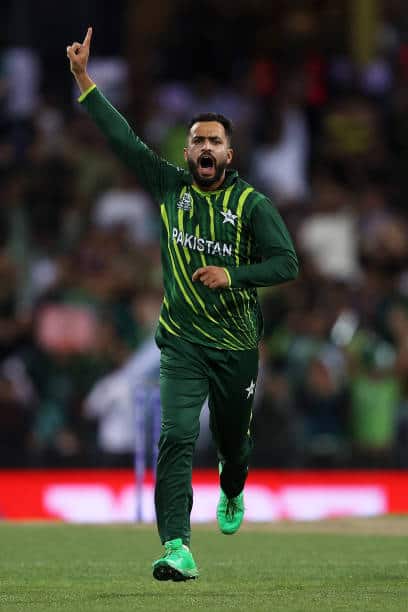
A similar situation has now emerged during PSL 2026, where Pakistan all-rounder Mohammad Nawaz has come under investigation after returning a positive test for recreational drug use on April 22. The case has drawn comparisons with Rabada’s and reignited discussions around how such incidents are handled in professional cricket.
Rabada’s 2025 Doping Case
During the SA20 2025 season, Rabada underwent a routine drug test along with several other players. He continued to feature throughout the tournament for MI Cape Town and later represented South Africa in the ICC Champions Trophy 2025 before being informed of the result.
The fast bowler acknowledged the violation and was initially handed a three-month ban. However, after successfully completing a substance abuse treatment programme, the suspension was reduced to one month.
More Read
In June 2025, the South African Institute for Drug-Free Sport confirmed that the substance detected in Rabada’s sample was cocaine. The test identified Benzoylecgonine, a metabolite of the drug.
Rabada served his suspension between April 1 and May 1, which resulted in him missing a portion of IPL 2026 while representing Gujarat Titans.
Nawaz Under Investigation During PSL 2026
Now, a comparable situation has unfolded involving Mohammad Nawaz, who has tested positive for recreational drug use amid the ongoing PSL 2026 campaign. The Pakistan Cricket Board has launched a formal investigation into the matter.

While Nawaz has reportedly denied wrongdoing, the situation has already had immediate consequences, with Surrey cancelling his planned participation in the 2026 T20 Blast.
His form in PSL 2026 has also been underwhelming, with 36 runs in four innings at an average of 18, along with six wickets in seven innings at an average of 32.66.
With the investigation ongoing, Nawaz could potentially face a scenario similar to Rabada’s from the previous year. The outcome will depend on the findings of the PCB and any subsequent disciplinary action.
For now, it remains unclear whether he will face a suspension during PSL 2026, but the case has once again highlighted the scrutiny surrounding off-field conduct in modern cricket.