
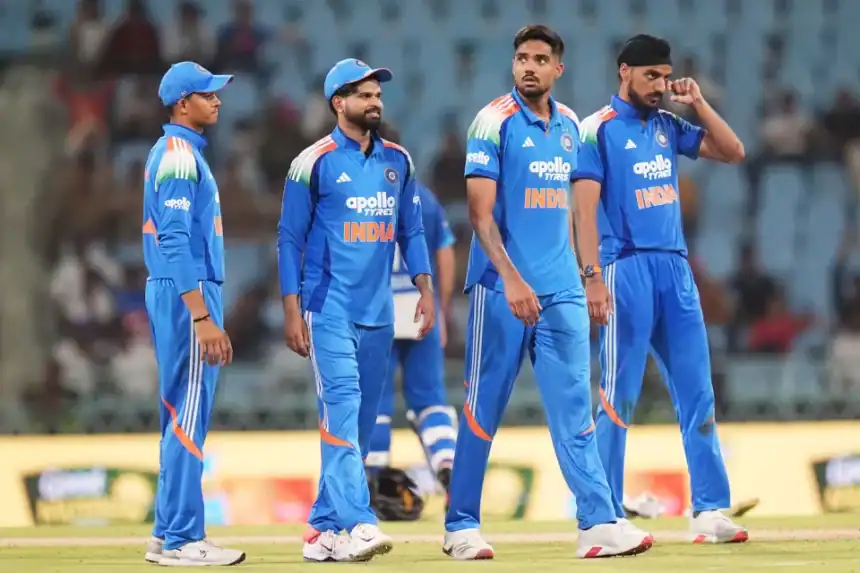
India delivered a batting masterclass in Lucknow as centuries from Shubman Gill and Ishan Kishan powered them to a 170-run victory over Afghanistan in the second ODI, sealing the three-match series with a game to spare.
After being sent in to bat, India piled up a massive 402 before bowling Afghanistan out for 232. The result gave the hosts a 2-0 series lead and highlighted the growing strength of their next generation ahead of the 2027 ODI World Cup cycle.
Gill and Kishan Take Control
India suffered an early setback when Yashasvi Jaiswal fell in the second over, but Afghanistan’s joy was short-lived.
Gill and Rohit Sharma steadied the innings before Rashid Khan dismissed Rohit for 48. What followed was a devastating assault from Gill and Kishan, who put together a stunning 224-run partnership for the third wicket.
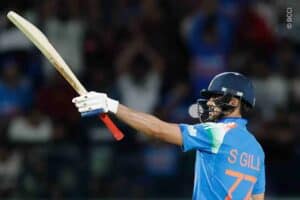
Gill looked in complete control throughout his innings. The Indian captain mixed elegant strokeplay with calculated aggression, reaching his century in just 77 balls before eventually scoring 154 from 109 deliveries.
More Read

Kishan produced one of the most explosive knocks of his ODI career. After reaching his first fifty from 52 balls, he accelerated dramatically, needing only 19 more deliveries to complete his century. He eventually departed for 125, his first ODI hundred since his famous double century against Bangladesh in 2022.
Their partnership completely shifted the momentum of the match and left Afghanistan’s bowlers searching for answers.
Afghanistan Fight Back Late
At one stage, India looked capable of crossing 450. However, Afghanistan produced a strong late response.
More Read
Left-arm spinner Nangeyalia Kharote emerged as the standout performer, claiming 4 for 76. Rashid Khan also chipped in with three wickets as Afghanistan grabbed seven wickets for 62 runs during the final ten overs.
Despite the collapse, India still crossed the 400-run mark and finished with a daunting total of 402.
Afghanistan Never Threaten the Chase
Chasing 403 was always going to be a difficult task, and Afghanistan struggled to maintain the required scoring rate.
Rahmanullah Gurbaz provided early aggression with 41, but Gurnoor Brar removed him with a sharp delivery clocked at nearly 148 kph. Ibrahim Zadran followed soon after as India’s pace attack tightened its grip on the contest.
Rahmat Shah fought hard and top-scored with 79, while Sediqullah Atal contributed during a brief partnership. However, Afghanistan never managed to build the momentum required for such a large chase.
Debutant Darwish Rasooli attempted to continue batting despite suffering an injury earlier in the match, but was eventually forced to retire hurt.
More Read

India’s Young Bowlers Impress
India’s bowlers backed up the batting performance with an impressive display.
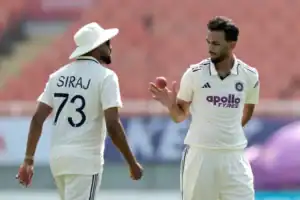
Arshdeep Singh led the attack with 3 for 45, consistently troubling the Afghan batters with pace and bounce. Gurnoor Brar matched him with 3 for 60, continuing an impressive start to his international career.
Debutant Prince Yadav also enjoyed a memorable outing, claiming his first ODI wickets and showing encouraging signs for the future.
Afghanistan were eventually dismissed for 232, falling 170 runs short of the target.
A Statement Performance
The scorecards reflected the gulf between the two sides on the day. India struck 45 fours and 12 sixes while facing only 110 dot balls. Afghanistan, by contrast, managed just two sixes and struggled to keep the scoreboard moving, facing 148 dot deliveries.
With Gill continuing his rise as captain, Kishan returning to form, and several young bowlers making strong impressions, India will take significant confidence from another dominant performance.
For Afghanistan, there were encouraging contributions from Rahmat Shah and Kharote, but they were ultimately outplayed by a superior Indian side that looks increasingly comfortable building towards the future.