
As Indian cricket prepares for the future, one question is becoming increasingly important: should Shubman Gill bat at number 3 in One-Day Internationals? With planning already underway for the 2027 ODI World Cup, India is looking at the best possible batting structure for the years ahead.
The recent ODI series against Afghanistan offered a strong clue about what the team’s future could look like. With Virat Kohli unavailable because of a hamstring injury, India used the opportunity to test different combinations. The results may have revealed the ideal answer for the India ODI batting order after Virat Kohli.
A Strong Performance at Number 3
In the first ODI, Shubman Gill opened the batting and played an unbeaten knock of 84 runs to guide India to victory. However, the second ODI saw a major change in the batting order.
Yashasvi Jaiswal partnered Rohit Sharma at the top, while Gill moved down to the number 3 position. The move worked brilliantly.
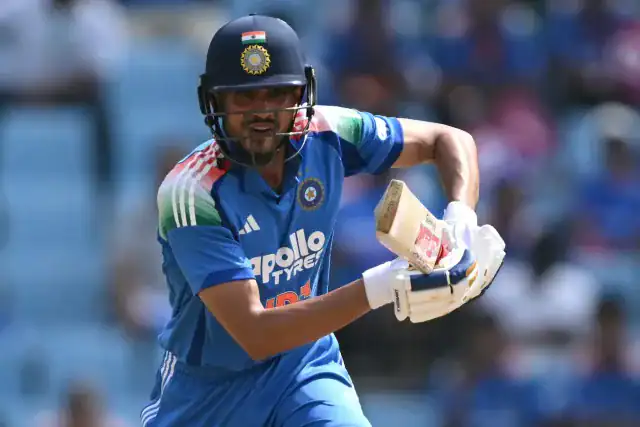
Gill produced one of the finest innings of his ODI career, scoring 154 runs from just 110 balls. His knock included 22 fours and two sixes. Along with Ishan Kishan, who scored 125, Gill added a huge 224-run partnership that helped India post a massive total of 402 runs.
More Read

The innings showed exactly why the Shubman Gill number 3 ODI debate has gained so much attention.
Why Number 3 Suits Gill
Batting at number 3 requires a player who can handle pressure, build partnerships, and increase the scoring rate when needed. Gill displayed all these qualities during his innings in Lucknow.
After an early wicket, he calmly settled into the match before taking control of the scoring. He also handled spin bowling comfortably and showed excellent game awareness throughout the innings.
More Read

Most importantly, Gill paced his innings perfectly. He built a strong foundation and then accelerated when the situation demanded it.
The Ideal Successor to Virat Kohli
For many years, Virat Kohli made the number 3 position his own. The role requires consistency, patience, and the ability to guide the innings.
Gill possesses many of those same qualities. His solid technique, calm mindset, and ability to score quickly make him a natural candidate for the role.
While nobody can truly replace Kohli, Gill appears capable of carrying forward the responsibilities associated with the position.
What India’s Future ODI Batting Order Could Look Like
India’s young talent pool is filled with exciting options. Yashasvi Jaiswal has shown that he can be an aggressive opener, while Ishan Kishan and Shreyas Iyer offer strength in the middle order.
A future top five could feature Rohit Sharma and Jaiswal opening the batting, followed by Gill at number 3. This structure would allow India to make the best use of its available talent while maintaining balance in the lineup.
More Read

Final Verdict
The evidence from the Afghanistan series strongly suggests that Shubman Gill number 3 ODI could be the right long-term solution for India. His outstanding 154 showed that he can anchor the innings, handle pressure, and control the tempo of the game.
The answer to “Should Shubman Gill bat at number 3?” appears increasingly clear. As India prepares for the future and plans the India ODI batting order after Virat Kohli, Gill looks ready to become the backbone of the team’s batting unit for years to come.