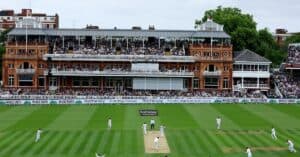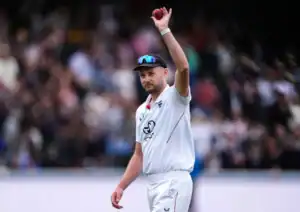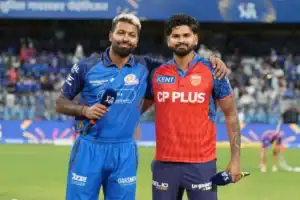


England’s decision to appoint Joe Root as captain for the Test at The Oval surprised many cricket fans. With Ben Stokes unavailable, most expected vice captain Harry Brook to step into the role. Instead, England chose the experienced Joe Root, sparking a major England vice captaincy debate.
Many supporters questioned the move and wondered why Joe Root was chosen over Harry Brook. However, the decision was not simply about leadership experience. It involved team stability, public image, and long-term planning.
The Public Relations Challenge
One of the biggest reasons behind the decision was the situation surrounding Ben Stokes’ absence. Stokes and Gus Atkinson were left out following an alleged nightclub incident and curfew breach.
In such circumstances, promoting Harry Brook would have created difficult questions for the England management.
Brook himself has previously faced criticism over a late night incident in Wellington. As a result, England’s strict team curfew was introduced partly because of past concerns involving player behavior.
More Read

If Brook had become captain, he would likely have faced constant questions about team discipline and nightlife issues during press conferences. England wanted to avoid that distraction and keep the focus on cricket.
This played a major role in the latest England leadership decisions.
Protecting Harry Brook From Extra Pressure
Another important factor was workload management. Brook is already one of England’s most important players.
More Read

At just 27 years old, he is England’s white-ball captain and one of the world’s best Test batters. Adding Test captaincy responsibilities during a difficult period could have placed too much pressure on him.
England Managing Director Rob Key has made it clear that the management wants to protect Brook from unnecessary burdens. With major white-ball matches coming up, England believes Brook’s main focus should remain on his batting and existing leadership duties.
This explains another key reason why Joe Root was chosen over Harry Brook for the match at The Oval.
A Temporary Solution, Not A Permanent Change
The decision also reflects smart planning from the England hierarchy.
Joe Root is viewed as a temporary captain rather than a long term option. His appointment allows England to manage the current situation without changing the team’s future leadership structure.
If Brook had captained England and achieved success, it could have created difficult questions about who should lead the team once Stokes returns.
More Read

By choosing Root, England avoids creating uncertainty. Root is acting as a caretaker while the team waits for clarity regarding Stokes’ future.
These careful England leadership decisions help maintain stability within the squad.
Harry Brook Future Captain Remains The Plan
Despite the headlines, this should not be seen as a rejection of Brook’s leadership qualities.
In fact, England still views him as the long-term successor to Stokes. Brook remains vice captain and continues to play a major role in tactical discussions.
Even Joe Root has praised Brook’s cricketing intelligence and decision-making abilities. The management believes he has all the qualities needed to become England’s next Test captain.
The current move simply gives him more time to grow as a leader without facing unnecessary pressure.
Final Verdict
The recent England vice captaincy debate has raised many questions, but the answer is fairly simple. The decision was about stability, public image, and protecting a key player.
While fans continue to ask why Joe Root was chosen over Harry Brook, the evidence suggests England still sees Brook as the future. The Harry Brook future captain story is far from over. Instead, this appears to be another step in his development before he eventually takes charge of England’s Test team.