
As the T20 World Cup 2026 approaches its February 7 kickoff, the off-field tension surrounding the India-Pakistan clash has reached a boiling point. Despite confirming their overall participation in the tournament, the Pakistan government has instructed the national team to boycott the high-profile group-stage match against India, scheduled for February 15 in Colombo.
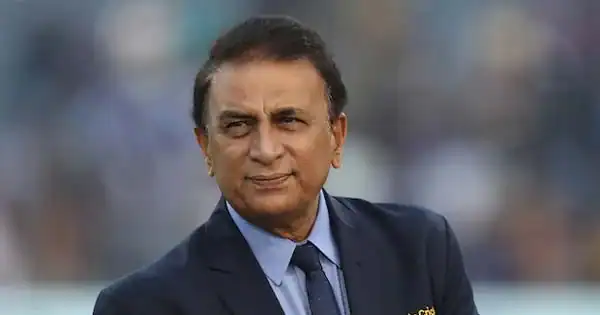
Legendary Indian batter Sunil Gavaskar has responded to this move with a blend of sharp humor and serious caution. Speaking to the media, Gavaskar mocked the decision, suggesting that a “U-turn” is likely, and urged the ICC to ensure that such “last-minute chaos” is met with firm disciplinary measures.
Predicting the “U-Turn”
Gavaskar drew a witty parallel between the PCB’s current stance and the historical tendency of Pakistani cricketers to reverse their retirement decisions. He suggested that the boycott might be more about optics than a final decision.
- Historical Precedent: Gavaskar noted that Pakistani players often retire only to return days later, claiming they are doing so for their fans. He believes a similar reversal could happen once global pressure mounts.
- Fan Pressure: He speculated that as the match date nears, Pakistani fans themselves might question their government’s decision, potentially forcing a change in stance before the February 15 deadline.
- The “Reaction” Factor: “I think in the next four or five days, when reactions start pouring in from across the world and even from their former players, there is a possibility that Pakistan will change their stance,” Gavaskar remarked.
Calling for Strict ICC Intervention
Beyond the humor, Gavaskar emphasized that the integrity of a global tournament is at stake. He expressed concern that allowing a team to selectively pull out of a marquee fixture sets a dangerous precedent for future events.
- Last-Minute Issue: Gavaskar argued that while an early withdrawal is manageable, a boycott announced on the “eve of the tournament” creates logistical and financial nightmares that require ICC intervention.
- The Need for a Precedent: He called for sanctions that would ensure no other board considers similar tactics in the future. “I don’t know what action they will take… but whatever is done should ensure that no team in the future considers doing this.”
- Financial Stakes: With the India-Pakistan game being the most lucrative fixture—estimated to generate over $250 million in revenue—the ICC is already reportedly considering withholding Pakistan’s annual revenue share of $35 million if the boycott proceeds.
The Situation in Colombo
While the boycott remains a topic of debate, the Indian team is expected to follow standard protocols. Led by Suryakumar Yadav, India plans to arrive at the R. Premadasa Stadium, complete the training sessions, and walk out for the toss. If the Pakistan captain fails to appear, the match will be awarded to India as a forfeit, granting them two points and significantly impacting Pakistan’s tournament standing.